Blog

  • The 1990 Third Kit: Is the ‘Blue’ England Jersey a Curse or a Masterpiece?

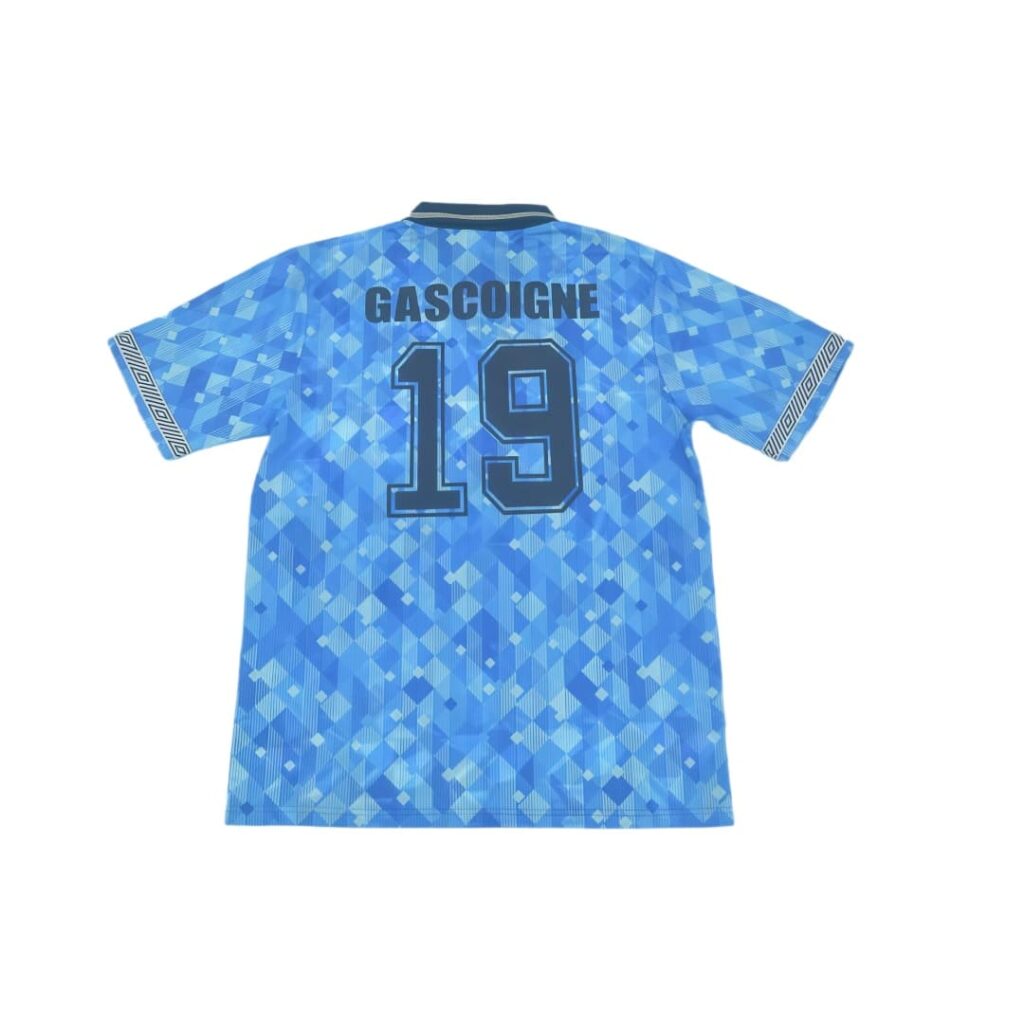
    In the world of football kit collecting, few items spark as much debate—or as much desire—as the 1990 England Blue Third Shirt. On Reddit’s r/ThreeLions and r/Soccer, it is frequently cited as the “Holy Grail” of 90s design.

    But why is a shirt that was barely ever worn by the team during a competitive match so legendary? Is it a “curse” on England’s traditional white-and-red identity, or is it the greatest aesthetic masterpiece Umbro ever produced?

    1. The Design: Ahead of Its Time

    The 1990 Third Kit wasn’t just a football shirt; it was a piece of art. Featuring the iconic “diamond” sublimation pattern and a classic navy-and-white collar, it captured the shifting energy of the early 90s.

    While the home shirt was pure and the away shirt was bold, the blue third kit was sophisticated. It represented a time when football was colliding with the “Madchester” music scene and Britpop. It didn’t look like an athlete’s uniform—it looked like a fashion statement.

    2. The Mystery: Did They Actually Wear It?

    Part of the legend is that England almost never used it. In fact, it was only worn once in a full international match—a 1-0 win against Turkey in 1991. Because it wasn’t associated with a painful tournament exit or a specific “curse” on the pitch, it remained untainted.

    It exists in the imagination of the fans as the “cool” alternative. It’s the shirt for the fan who knows their history but doesn’t want to follow the crowd.

    3. The King of “Blokecore”

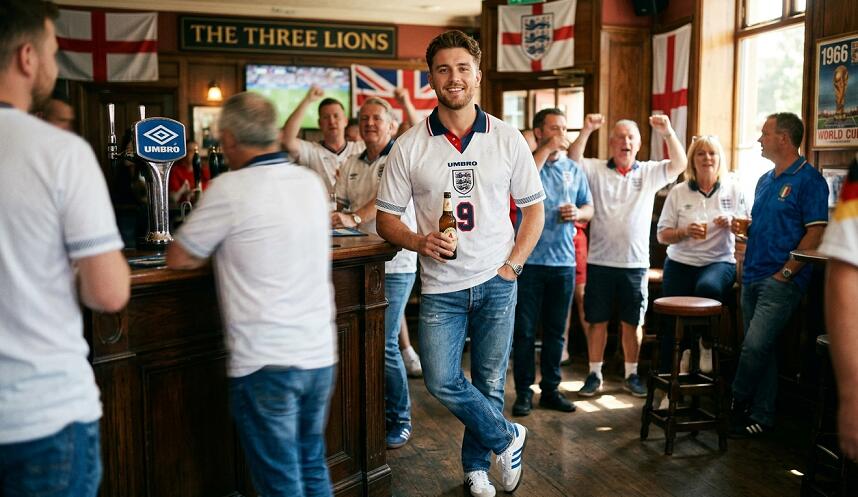
    Fast forward to 2026, and the 1990 Blue Shirt has found a new life. In the world of Blokecore—the fashion trend where vintage football shirts are paired with premium denim and classic trainers—this shirt is the undisputed king.

    Because of its navy tones and intricate pattern, it styles perfectly with a pair of dark jeans and Adidas Sambas. It’s the most “wearable” football shirt ever made. It doesn’t scream “I’m going to a match”; it says “I have impeccable taste in sports heritage.”

    4. Why You Need It for the 2026 World Cup

    As we prepare for the 2026 World Cup, the demand for unique, high-quality heritage gear is at an all-time high. Everyone will be wearing white. Most will be wearing red. But the fans who truly understand the “vibe” will be wearing the 1990 Blue.

    At england-football-shirt.com, we’ve brought this masterpiece back to life. Our 1990 Third Kit replica features the same intricate diamond weave and heavyweight feel that made the original a cult classic.

    The Verdict

    The Blue Shirt isn’t a curse—it’s a symbol of England’s most stylish era. Whether you’re heading to a festival, a pub, or the World Cup fan zones in the USA, this is the shirt that sets you apart from the casuals.

  • England in America: A Survival Guide for the 2026 World Cup Traveling Fan

    The bags are packed, the flights are booked, and the Three Lions are officially heading across the Atlantic. The 2026 World Cup across the USA, Canada, and Mexico promises to be the biggest sporting event in history. But for the traveling England fan, North America can be a bit of a culture shock.

    If you’ve been following the threads on r/ThreeLions or r/travel, you know the concerns: “How do I find a proper pint?” “Will I melt in the Texas heat?” and “Why is a burger $25?”

    To help you navigate the land of the brave and the home of the “soccer” fans, here is our essential survival guide for the 2026 expedition.

    1. Respect the Distances (and the Heat)

    In the UK, an “away day” is a four-hour train ride. In the US, your next match might be a six-hour flight away.

    • The Survival Tip: Don’t try to “do it all.” Pick a hub city and enjoy the local fan zones.
    • The Kit Tip: North American summers are brutal. While modern “authentic” kits are made of thin plastic that sticks to your skin the moment you sweat, our classic cotton-blend retro shirts are significantly more breathable and comfortable for long days in the sun.

    2. Navigating the “Pub” Scene

    Don’t expect a cozy, 300-year-old pub on every corner. In the US, you’ll likely be heading to “Sports Bars” with 50 TVs and very loud air conditioning.

    • The Survival Tip: Look for “British Style” pubs in major cities like New York, LA, or Atlanta if you need a dose of home. But be prepared: “Soccer” fans in the US are friendly, but they will want to talk to you about “tactics” for three hours.
    • The Style Tip: Standing out in a sea of generic, modern US jerseys is key. Nothing signals “Proper Fan” like a 1982 or 1990 England heritage shirt. It’s the ultimate conversation starter and earns you instant respect in any international fan zone.

    3. The Tipping and “Soccer” Tax

    Everything in the US looks cheaper on the menu than it is at the checkout. Between sales tax and the standard 20% tipping culture, your budget can disappear fast.

    • The Survival Tip: Budget an extra 25% for every meal. And yes, they call it “soccer”—just lean into it for a month; it’s easier than arguing!

    4. Look Like a Legend, Not a Tourist

    The US is the home of “athleisure,” but for a World Cup, you want to bring some British terrace culture to the stadiums.

    • The Survival Tip: Avoid the “tourist” look (sunscreen on the nose, brand-new stiff cap). Go for the “Bloke-core” aesthetic: a classic retro football shirt, well-worn denim, and comfortable trainers.
    • The Kit Tip: You want a shirt that looks as good in a high-end rooftop bar in Manhattan as it does in the stands in Mexico City. Our collection of England 1966, 1990, and 1996 replicas are designed for the fan who values heritage over hype. Secure your “touring kit” now at england-football-shirt.com.

    Final Verdict

    2026 is going to be a wild, expensive, and unforgettable ride. Whether we’re celebrating in the streets of Toronto or commiserating in a Dallas bar, make sure you’re doing it in a shirt that survives the journey.

    Safe travels, and let’s bring it home from across the pond!

  • The ‘Next Gen’ Icons: Who Will Be England’s 2026 Breakout Star?

    Every great World Cup campaign has a “Genesis” moment—the exact second a young player transforms from a “prospect” into a national hero. In 1998, it was Michael Owen’s solo run against Argentina. In 2004, it was Wayne Rooney terrorizing defenses in Portugal.

    As we look toward the 2026 World Cup, the Reddit scouting departments are working overtime. Who is the kid that will define this era? Who is the player whose name will be printed on the back of every shirt from London to Los Angeles? Here is our shortlist for the 2026 Breakout Star.

    1. Kobbie Mainoo: The “Ice-Cold” Engine

    If you spent any time on r/ManchesterUnited or r/ThreeLions lately, you know the hype around Kobbie Mainoo is real. He doesn’t play like a kid; he plays like a man who has already won three World Cups in a past life.

    • The Vibe: Composure under pressure. In a high-stakes World Cup knockout game, you need a player who can receive the ball in a phone booth and find the exit.
    • The Legacy: He has that same “unbothered” elegance that Paul Scholes had, but with the modern athleticism required for the 2026 game.

    2. Rico Lewis: The Tactical Chameleon

    As we’ve discussed, the 2026 England side is built on the “Man City DNA.” No player embodies that more than Rico Lewis. He is the ultimate “Pep Player”—capable of playing right-back, left-back, and holding midfield all in the same 15-minute window.

    • The Vibe: Pure intelligence. Lewis is the player who makes the “system” work. He is the tactical glue that allows the superstars like Bellingham and Saka to shine.
    • The Breakout Factor: While he might not score a hat-trick, he is the most likely candidate to be named in the “Team of the Tournament” for his sheer consistency.

    3. The “Cold” Palmer Effect

    Can we still call Cole Palmer a “breakout” star? After his recent seasons, he’s already a household name, but 2026 is his chance to become a global icon. He has that rare, arrogant flair that English fans haven’t seen since the days of Paul Gascoigne.

    • The Vibe: Pure “Main Character” energy. Palmer thrives on the big stage, and 2026 is the biggest stage there is.

    New Stars, Old Colors: The Heritage Connection

    There is something special about seeing a new teenage sensation wearing a kit that reminds us of the greats. When we see a kid like Mainoo or Lewis dominating the midfield, we can’t help but think of the legends who came before them.

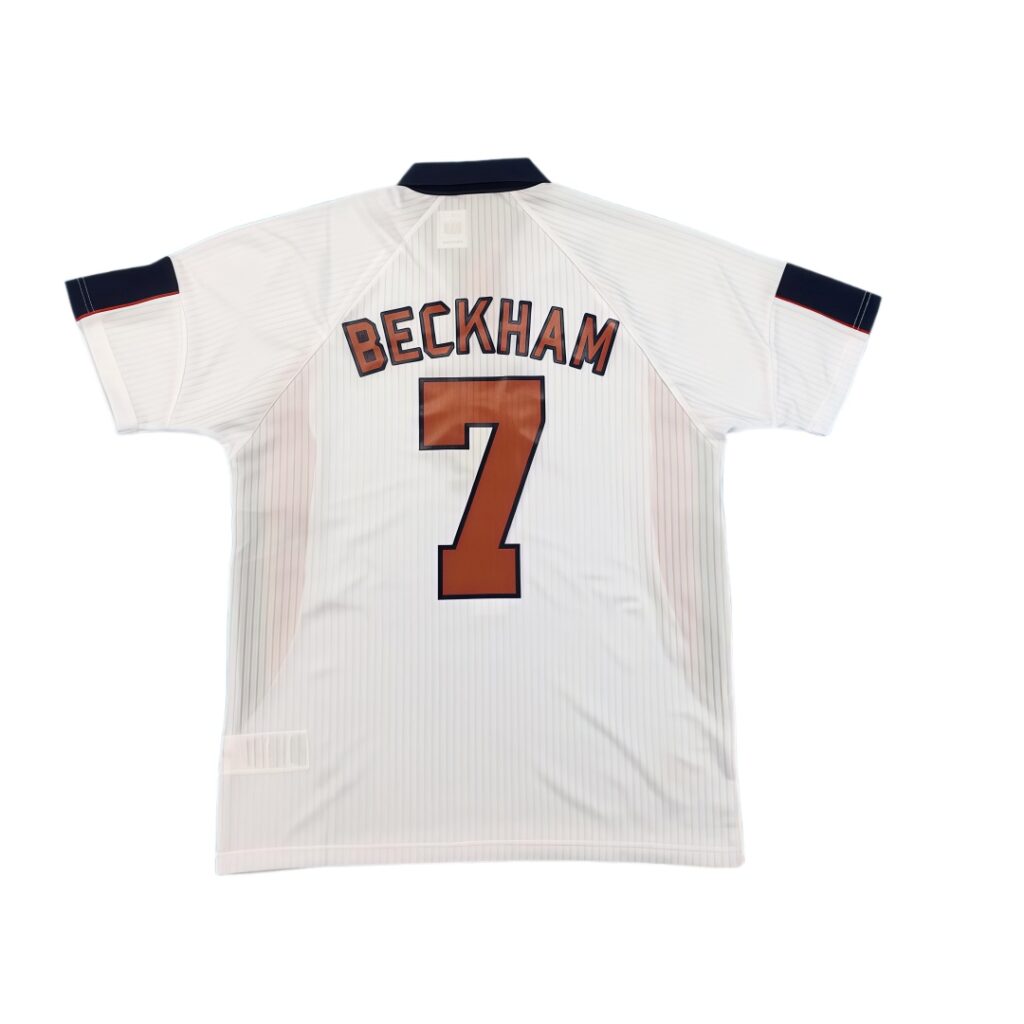
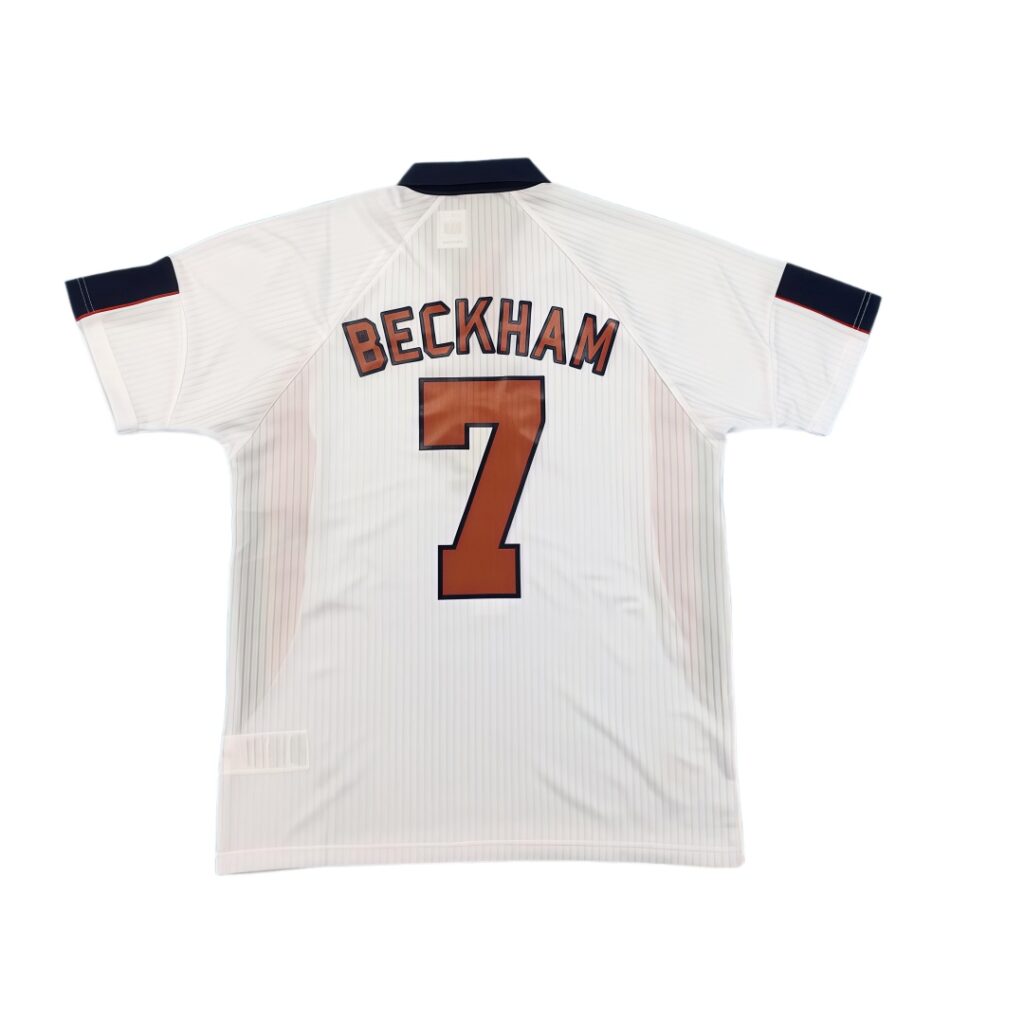
    The beauty of the 2026 generation is that they respect the history. That’s why the “Blokecore” trend has exploded—fans want to see the new stars represented through the lens of classic designs. Whether you’re rooting for the next Gazza or the next Beckham, you can find the iconic kits that defined their eras at england-football-shirt.com.

    Wearing a 1990 or 1996 retro shirt while watching the 2026 “Next Gen” take the field is the ultimate way to bridge the gap between England’s glorious past and its golden future.

    The Verdict

    The talent pool has never been deeper. Whether it’s Mainoo’s ice-cold composure or Rico Lewis’s tactical genius, the 2026 breakout star will be the one who handles the weight of the shirt.

    Who is your pick for the 2026 Breakout Star? Let us know in the comments!

  • Tuchel vs. Southgate: Who is the Real ‘System’ Manager?

    For eight years, the England national team operated under a very specific “floor.” Gareth Southgate took a broken culture and turned it into a consistent semi-final machine. But as we head into the 2026 World Cup under Thomas Tuchel, the debate on r/ThreeLions has reached a fever pitch: Did Southgate actually have a system, or was he just a “vibe manager” who got lucky with a generation of Man City-trained geniuses?

    To understand the future of the Three Lions, we have to look at the tactical DNA of the men in the dugout.

    1. The Southgate “Floor”: Stability Over Sophistication

    Gareth Southgate’s “system” was built on defensive solidity and tournament management. He understood that in international football, not losing is often more important than winning beautifully.

    • The Strategy: A conservative mid-block, heavy reliance on set-pieces, and a “safety-first” approach even when leading.
    • The Flaw: He had the Ferraris of the football world—Foden, Saka, Bellingham—but he drove them like they were in a 30mph zone. He failed to capitalize on the “Guardiola education” his core players received at the club level.

    2. The Tuchel “Ceiling”: The Architect of the High-IQ Game

    Thomas Tuchel isn’t here to build a “culture”; he’s here to win a trophy. Unlike his predecessor, Tuchel is a tactical chameleon who speaks the same footballing language as Pep Guardiola.

    • The “City” Connection: Tuchel understands that the backbone of England—Stones, Walker, Foden—functions best in a system of Positional Play. He has unlocked the “Man City manual,” allowing England to dominate the ball and squeeze opponents in a way Southgate never dared.
    • Tactical Flexibility: Where Southgate was criticized for “Plan A only,” Tuchel is known for in-game adjustments. He treats the pitch like a chessboard, moving pieces to exploit specific weaknesses in the opposition.

    3. The Verdict: Who Wins the “System” War?

    If a “system” is defined by organizational culture, Southgate wins. But if a “system” is defined by tactical dominance and the ability to outthink world-class opposition, Tuchel is in a different league.

    Tuchel has taken the “City-fied” core of the squad and finally given them a national team structure that matches their club brilliance. He isn’t just managing players; he’s managing space and rhythm. For the first time in 60 years, England has a manager who can go toe-to-toe with the tactical masterminds of Spain, France, and Germany.

    4. A Legacy of Transformation

    Whether you prefer the steady hand of the Southgate years or the high-octane tactical evolution of the Tuchel era, both have left an indelible mark on the Three Lions’ history. Every tactical shift is mirrored in the kits we wear—from the conservative classics of the past to the bold, modern looks of today.

    As we witness the most tactically advanced England side in history, it’s the perfect time to look back at the shirts that carried us through the “nearly” years. From the iconic Euro 96 designs to the 1990 World Cup heritage, you can find the high-quality kits that represent every era of English tactical evolution at england-football-shirt.com.

    Final Thought

    Southgate built the foundation. Tuchel is building the skyscraper. As we head into 2026, the “System” debate will finally be settled by the only metric that matters: The trophy.

  • The £120 Plastic Trap: Why Modern Football Kits Are Failing the Fans

    Go to any thread on r/soccer or r/ThreeLions today, and you’ll see the same recurring nightmare. A fan saves up over £100 for the latest “Authentic Match Version” England shirt, only for the heat-pressed badge to start peeling off after the second wash.

    In 2026, the football kit industry has reached a breaking point. While prices continue to skyrocket, the actual “soul” and durability of the shirts are at an all-time low. Here is why modern kits are failing the fans—and why the “Old School” is winning the war for our wardrobes.

    1. The Rise of “Disposable” Fashion

    Modern kits are designed for athletes, not humans. The ultra-thin, heat-mapped fabrics are engineered to last exactly 90 minutes on a professional pitch. They are “disposable” high-performance gear.

    For the average fan, this is a disaster. Unlike the rugged, embroidered kits of the 80s and 90s, today’s shirts rely on heat-pressed vinyl logos that crack, peel, and fade. You aren’t buying a piece of history; you’re buying a subscription to a product that expires in twelve months.

    2. “Match” vs. “Stadium” Version: The Great Divide

    The industry has successfully convinced us that we need to pay a premium for the “Player Version” to get the “real” experience. But let’s be honest: unless you have the body fat percentage of Bukayo Saka, a skin-tight, laser-vented shirt isn’t exactly a comfortable look for the pub.

    The “Stadium” versions are often lower-quality replicas that still cost a fortune. Fans are being squeezed from both ends, paying more for less fabric and cheaper finishes.

    3. The Heritage Advantage: Quality You Can Actually Feel

    Contrast a modern shirt with a classic 1990 England Home or the 1982 Admiral design. Those kits were built like armor.

    • Heavyweight Fabric: Cotton-polyester blends that actually have a “weight” to them.
    • Embroidered Crests: The Three Lions shouldn’t be a sticker; they should be stitched into the fabric of the shirt.
    • Timeless Fit: They were designed to be worn over a T-shirt, with a cut that looks as good today as it did 30 years ago.

    4. Why Retro is the Smarter Investment

    A modern kit loses 70% of its value the moment the next season’s design is leaked. A retro shirt, however, is an investment. It carries the weight of a specific memory—Gazza’s tears, Shearer’s headers, or the summer of ’66.

    If you’re tired of the “plastic trap” and want a shirt that survives the washing machine and the test of time, it’s time to return to the classics. At england-football-shirt.com, we don’t do “disposable.” We specialize in the high-quality, embroidered heritage kits that defined the greatest eras of English football.

    The Verdict

    Stop paying £120 for a shirt that feels like a bin bag. Wear the history, feel the quality, and represent the Three Lions in a kit that was actually built to last.

  • The Ultimate 2026 World Cup Style Guide: How to Nail the Authentic England Vibe

    The countdown to the 2026 World Cup has officially begun. The stadiums are ready, the beers are being chilled, and “It’s Coming Home” is already echoing through the streets. But as we prepare for a summer of high-stakes football across North America, there’s one crucial question every fan needs to answer: What are you wearing to the pub?

    In 2026, the “full kit wanker” look is out. The “Bloke-core” aesthetic—mixing football heritage with everyday street style—is officially the only way to support the Three Lions with dignity. If you want to look like a seasoned veteran rather than a tournament tourist, here is your guide to nailing the authentic England vibe.

    1. Retro vs. Modern: Why “Old School” Wins

    While the latest 2026 kit has its charms, there is something sterile about modern polyester. It looks like gym wear. To truly capture the soul of English football, you need the heavy cotton, the oversized collars, and the iconic patterns of the 90s.

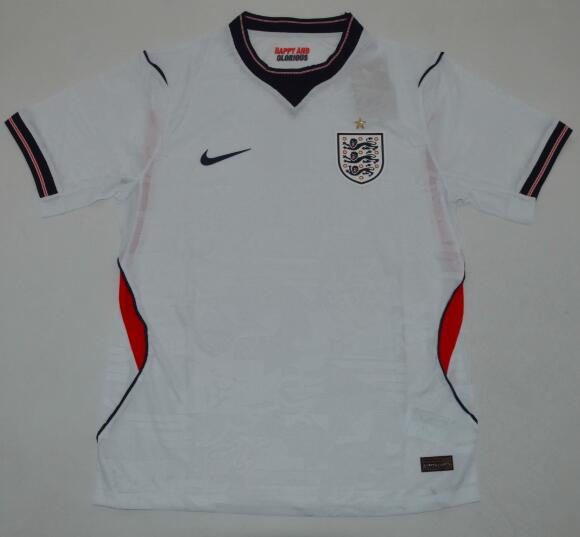
    A retro shirt says you didn’t just show up for the final; it says you’ve been there through the penalty heartbreaks, the rainy qualifiers, and the decades of “almost.” Whether it’s the 1990 Third Shirt (The Blue Classic) or the 1996 Home Kit, retro is the ultimate sign of a “Proper Football” fan.

    2. The “Big Three” Looks for Summer 2026

    If you’re looking to upgrade your wardrobe before the first whistle blows, these are the three iconic looks dominating the terraces this year:

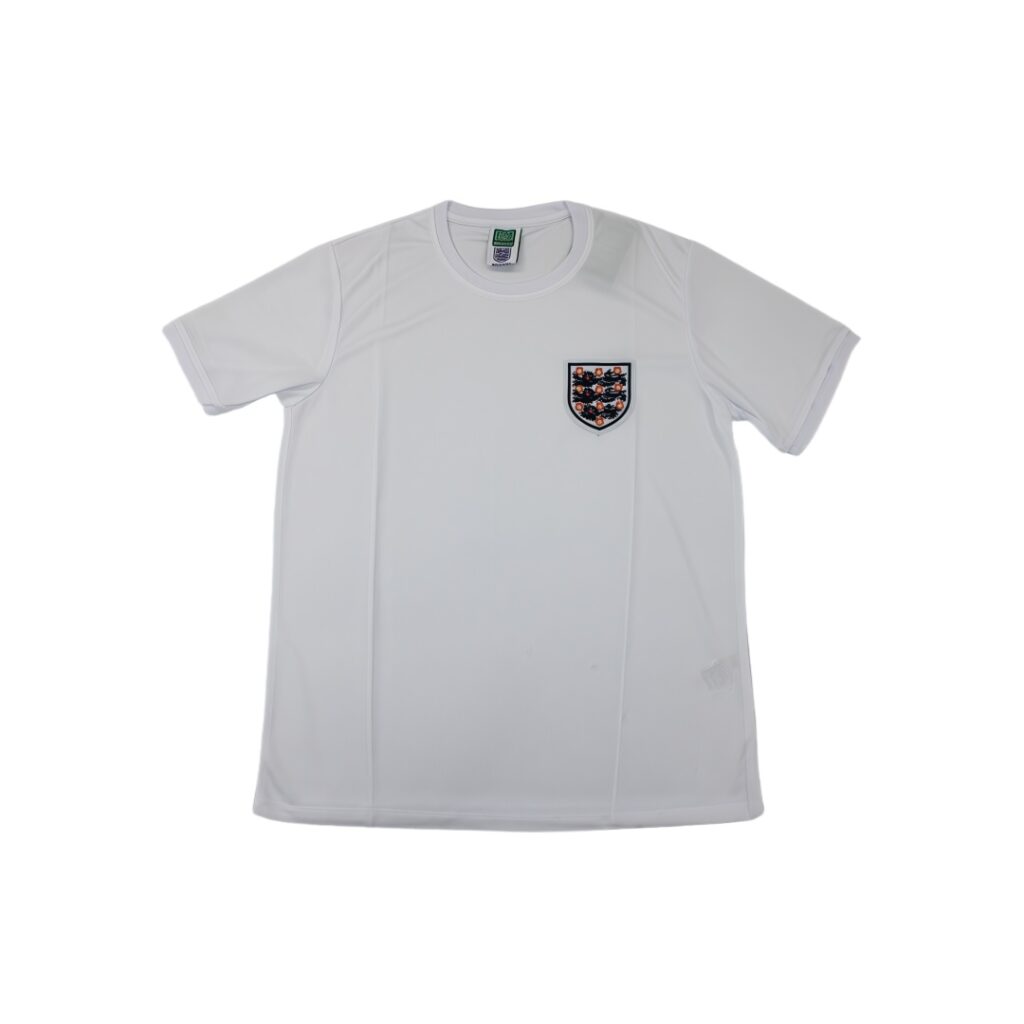
    • The ’90 Gazza’ (1990 Home/Third): Perfect for the heat. Pair a crisp 1990 white home shirt with light denim and classic white trainers. It’s a look that says, “I understand the tactical genius of Bobby Robson.”
    • The ‘Football’s Coming Home’ (1996 Heritage): The grey/blue hues of Euro 96 are legendary. It’s the ultimate “vibe” shirt for a sunny afternoon in a beer garden.
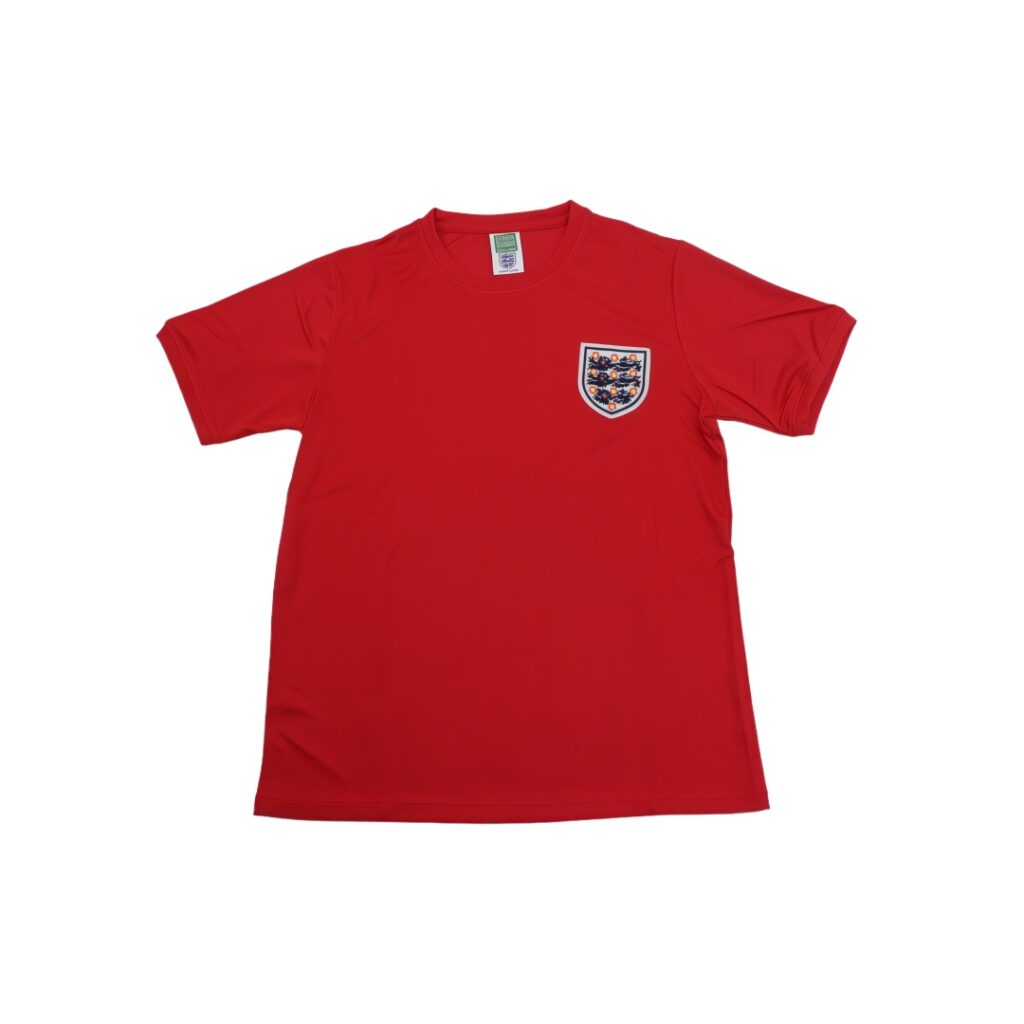
    • The ’66 Red (The Belief Shirt): If you’re feeling superstitious about Harry Kane finally lifting the trophy, there is only one choice. The long-sleeve red 1966 replica is the most powerful talisman in English sport.

    3. How to Style Your Kit

    The secret to the 2026 vibe is effortless cool.

    • Layering: Wear your retro shirt over a plain white tee if it’s a bit breezy.
    • Footwear: Stick to the classics—Adidas Sambas or Gazelles are the unofficial uniform of the England traveling support.
    • Confidence: A retro shirt is a conversation starter. Expect strangers to come up to you and say, “I remember where I was when Pearce scored that penalty…”

    4. Get the Look

    Don’t settle for cheap, thin knock-offs that fall apart after one wash. If you want to represent the Three Lions with the quality they deserve, you need a kit that feels like the original.

    From the iconic 1966 red to the Britpop-era 1996 classics, we’ve curated the best collection of heritage kits for the 2026 campaign. Secure your piece of history and get ready for the biggest summer of our lives at england-football-shirt.com.

    The Verdict

    The 2026 World Cup is more than a tournament—it’s a fashion statement. As England marches toward glory, make sure you’re wearing the colors that define our history. Because when that final whistle blows and the trophy finally comes home, you’ll want to look back at the photos and know you nailed the vibe.

  • Tuchel’s ‘City Manual’: Is Phil Foden the Final Piece of the 2026 Puzzle?

    As we edge closer to the 2026 World Cup, the chatter in the football world has shifted from “Can England win?” to “How will they play?” Under Thomas Tuchel, the Three Lions have undergone a quiet but profound tactical transformation. But if you look closely at the training sessions and the shape on the pitch, you’ll see a blueprint that wasn’t drafted in London—it was perfected in Manchester.

    The question everyone is asking on r/soccer and r/ThreeLions is simple: Is Tuchel finally using the “Guardiola Manual” to unlock the full potential of this squad?

    The “Pep DNA” in the National Team

    It’s no secret that Thomas Tuchel and Pep Guardiola share a deep mutual respect—a tactical obsession that has seen them swap ideas since their days in the Bundesliga. For years, England managers struggled to integrate Manchester City’s “system players” into a national side that lacked a cohesive philosophy. They had the Ferraris, but they were driving them like they were stuck in peak-hour traffic.

    In 2026, that has changed. By leaning into the Positional Play (Juego de Posición) that John Stones, Kyle Walker, and Rico Lewis perform instinctively, Tuchel has given England a structural integrity they’ve lacked for decades. But the true avatar of this revolution is Phil Foden.

    Unlocking the “Stockport Iniesta”

    For too long, the debate was where to “fit” Foden. On the wing? As a number 10? Tuchel seems to have found the answer by treating Foden not as a spare part, but as the engine. By replicating the “pockets of space” strategy used at the Etihad, England is finally allowing Foden to dictate the tempo of international games.

    When Foden plays in a system that mirrors City’s tactical DNA, he isn’t just a talented youngster—he’s the most dangerous playmaker on the planet. The synergy between the “City Core” and the rest of the squad is the reason England enters this World Cup as the tactical team to beat.

    The Colors of the Revolution

    This era of English football will be remembered for its intelligence and its technical dominance. Whether you’re a fan of the tactical chess match or you just want to see the Three Lions lift the trophy, the connection between the club game and the national glory has never been tighter.

    As we prepare for the summer of 2026, fans are looking for more than just a jersey; they are looking for a piece of history. Whether you want the sleek, modern look of the current era or the “Manchester-inspired” classics that paved the way for this tactical shift, you can find the highest-quality kits at england-football-shirt.com. Represent the system that is bringing football home.

    The Final Verdict

    If England lifts the trophy in 2026, the history books will credit Thomas Tuchel. But those who understand the game will know the truth: England finally won because they stopped fighting the “Guardiola Effect” and started embracing it.

    The manual is open. The players are ready. Is this the year the “City-fied” Three Lions finally conquer the world?

  • 2026: Harry Kane’s Last Dance or a 1966 Renaissance?

    As the 2026 World Cup approaches, a familiar tension is rising across the pubs of England and the subreddits of the football world. It’s a debate that splits the fanbase down the middle: Is Harry Kane the chosen captain to finally break the cycle, or is he destined to be the greatest player to never lift a major trophy?

    The Ghost of 1966 vs. The Modern Curse

    On Reddit’s r/ThreeLions, the “Kane Curse” is a frequent meme. After his stints at Spurs and Bayern, skeptics wonder if the football gods have simply ruled against him. But history tells a different story. In 1966, England didn’t win because of luck; they won because of a rigid tactical backbone and a striker who seized the moment.

    Kane is now chasing the shadow of Sir Geoff Hurst. The parallels are eerie. Both were clinical, both carried the weight of a nation’s expectations, and both looked best in the iconic England white. But while Kane has the stats, he’s still searching for that “Hurst Moment”—the goal that stops the clock and brings football home.

    Tactical Redemption: The 2026 Setup

    The argument for 2026 is simple: England has never been more “Guardiola-fied.” With a core built on Manchester City’s tactical discipline (Stones, Walker, Foden), the supply line to Kane has never been more precise. If Kane can drop deep and play-make as he does so effectively, while the younger wingers exploit the spaces, the “Curse” won’t stand a chance against the “System.”

    For the first time in decades, England isn’t just playing on heart; they are playing on a world-class frequency.

    Wear the Belief

    Whether you’re a believer in the 2026 redemption or a nostalgic for the glory of the past, football is about the colors we wear. There is a reason the 1966 Red Away Shirt remains the highest-selling retro kit in history—it represents the only time the dream became a reality.

    As we head into this summer’s heat, don’t just watch history—wear it. Whether it’s the classic 1990 design, the 1996 “Euro heartbreaker,” or the legendary 1966 replica, you can find the most authentic heritage kits at england-football-shirt.com. Because if football is finally coming home, you’ll want to be dressed for the occasion.

    The Verdict

    2026 isn’t just another tournament; it’s the final chapter of a decade-long journey for Harry Kane. Is it redemption? Is it fate? Or is it simply time for a new generation to wear the old colors and finish the job?

    The script is written. Now, it’s time to play.

  • The “Guardiola Paradox”: Why England’s Golden Generation Settled for Silver Twice

    England has reached the pinnacle of European football twice in a row, only to fall at the final hurdle. For many fans, it’s a heartbreak; for tactical analysts, it’s a missed opportunity of systemic proportions. Why couldn’t the Three Lions transform their immense talent into trophies? The answer lies in two critical “missing links.”

    1. The Failure to Replicate the “City Blueprint”

    During both Euro campaigns, Manchester City was the undisputed dominant force in world football. The logic seemed simple: Man City provided the backbone (Stones, Walker, Foden, Grealish), so why not copy the blueprint?

    • The Data Gap: In the Euro 2020 and 2024 finals, England’s average possession dropped significantly after scoring the opening goal (falling as low as 35-40% in critical phases). In contrast, a Guardiola-led team never stops “defending with the ball.”
    • Tactical Dissonance: While Pep Guardiola uses “Positional Play” to create numerical advantages, England’s coaching staff often reverted to a conservative, “safety-first” mid-block. By failing to understand the nuances of Pep’s system—how to use the goalkeeper as an extra playmaker and how to sustain high-pressure rotations—England essentially drove a Ferrari like a tractor.

    2. The Harry Kane & Man City “What If?”

    The most pivotal moment in recent English football history might be the transfer that never happened: Harry Kane to Manchester City in 2021.

    • The Synergy Argument: If Kane had joined City, he would have developed a telepathic understanding with the core of the England squad. The “plug-and-play” chemistry seen in the Spanish and German World Cup-winning sides would have been automatic.
    • The Goal-Scoring Efficiency: Data shows that Kane is one of the best “Deep-Lying 9s” in history. At City, he would have likely secured at least two more Champions League titles for the club, while perfecting the timing of late runs that define Pep’s attack. Bringing that “City-perfected Kane” to the national team would have made England’s offense unstoppable.

    A Heritage of Excellence

    Despite the “what-ifs,” the pride of wearing the white shirt remains. Whether you believe in the tactical evolution or the traditional grit, representing the Three Lions is about the journey. Discover the kits that defined these historic runs at england-football-shirt.com, where we celebrate the history and the future of English football.

    The Verdict

    England’s double-runner-up finishes weren’t due to a lack of talent, but a lack of tactical courage. Until the national team fully embraces and executes the modern, dominant philosophy perfected by Guardiola, the “It’s Coming Home” chant may remain a dream.

  • The Guardiola Blueprint: Why England’s 2026 World Cup Champion Was Written in Manchester

    For decades, international football was seen as a game of individual moments and national grit. But as we look at England’s historic run in 2026, a deeper, more clinical pattern emerges. This wasn’t just a win for the Three Lions; it was the final masterpiece of a decade-long tactical evolution sparked by one man: Pep Guardiola.

    History doesn’t just repeat itself in football; it rhymes. To understand why England conquered the world in 2026, we have to look back at the “Guardiola Effect” that redefined two other global powers.

    The Historical Precedent: 2010 and 2014

    In 2010, Spain didn’t just win the World Cup; they suffocated it. At the heart of that squad were seven Barcelona starters. Pep had spent years refining the “Tiki-Taka” philosophy at the Camp Nou, and Vicente del Bosque was wise enough to simply “copy-paste” that chemistry into the national team.

    In 2014, Germany shifted from their traditional powerhouse style to a high-frequency passing machine. Why? Because Pep had spent a year at Bayern Munich reinventing players like Philipp Lahm and Manuel Neuer. Joachim Löw recognized that the Bayern engine room was the most sophisticated tactical unit in the world and built his World Cup strategy around it.

    2026: The “City-fied” Three Lions

    Fast forward to today. The 2026 England squad isn’t just a collection of stars; it is a Tactical Extension of Manchester City.

    The “Man City Core”—led by the likes of Phil Foden, John Stones, and Kyle Walker—provided the Three Lions with something they’ve lacked for half a century: Positional Discipline. Under Pep, these players learned how to manipulate space, sustain high-intensity pressing, and remain calm under the “Gegenpress.”

    The current England coaching staff didn’t try to reinvent the wheel. They leaned into the movements and passing triangles these players perform 50 times a year at the Etihad. When you have a “Club Backbone” that understands the world’s most complex tactical system, the international game becomes significantly easier.

    A Legacy You Can Wear

    This victory feels different because it’s built on a decade of excellence. For fans who followed this journey from the rainy nights in Manchester to the global stage, the connection to the team has never been stronger. Whether you’re celebrating at the stadium or from your living room, wearing the colors of this tactical revolution is essential. You can find the latest kits to commemorate this era at england-football-shirt.com, where the tradition of the Three Lions meets the modern era of dominance.

    The Verdict

    Guardiola may never manage a national team, but he has now “coached” three different World Cup winners by proxy. By transforming the domestic standard of English football, he gave the Three Lions the structural integrity they needed to finally bring it home.

    England’s 2026 triumph wasn’t just about talent—it was about The System. And that system was Made in Manchester.